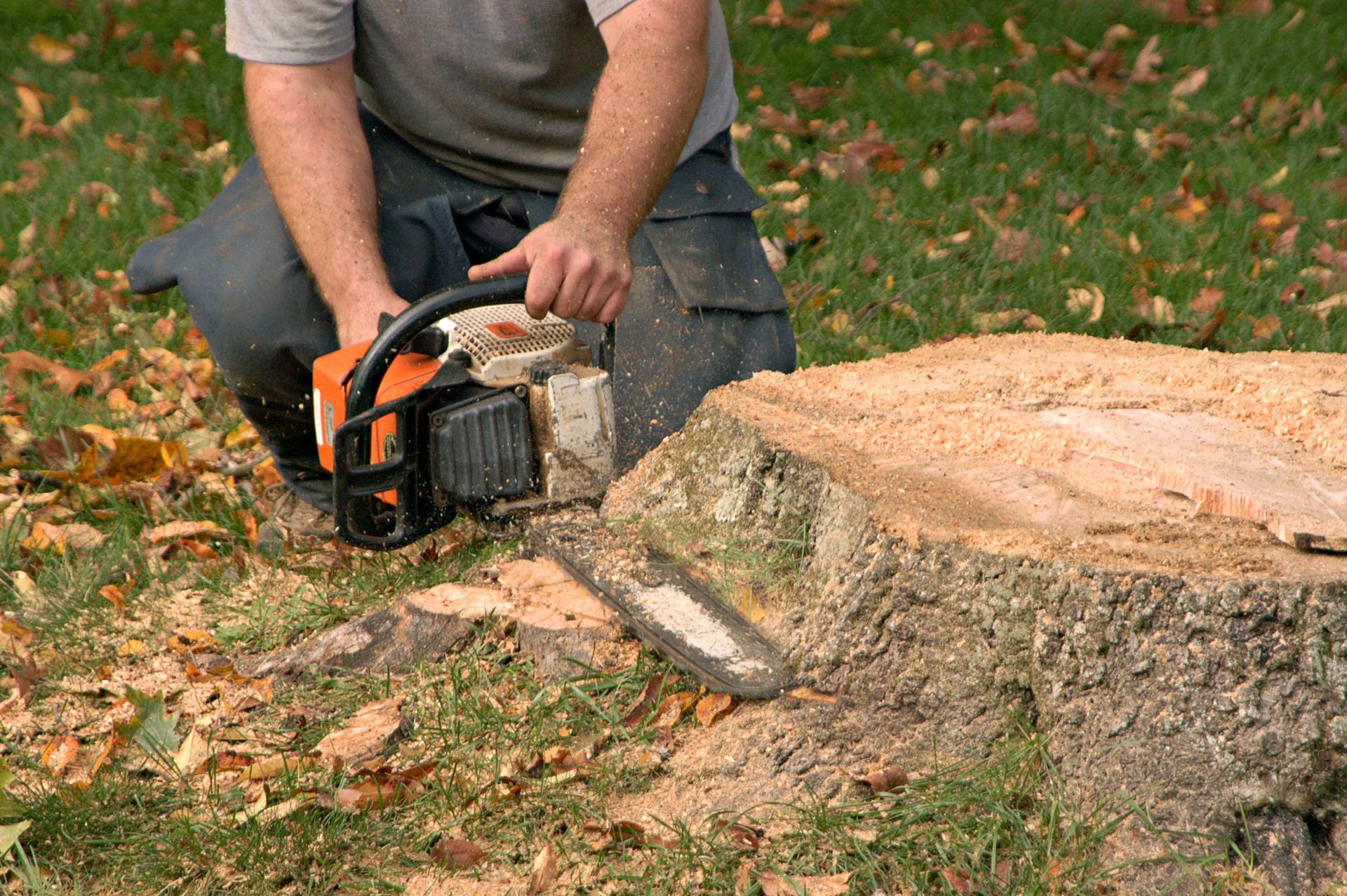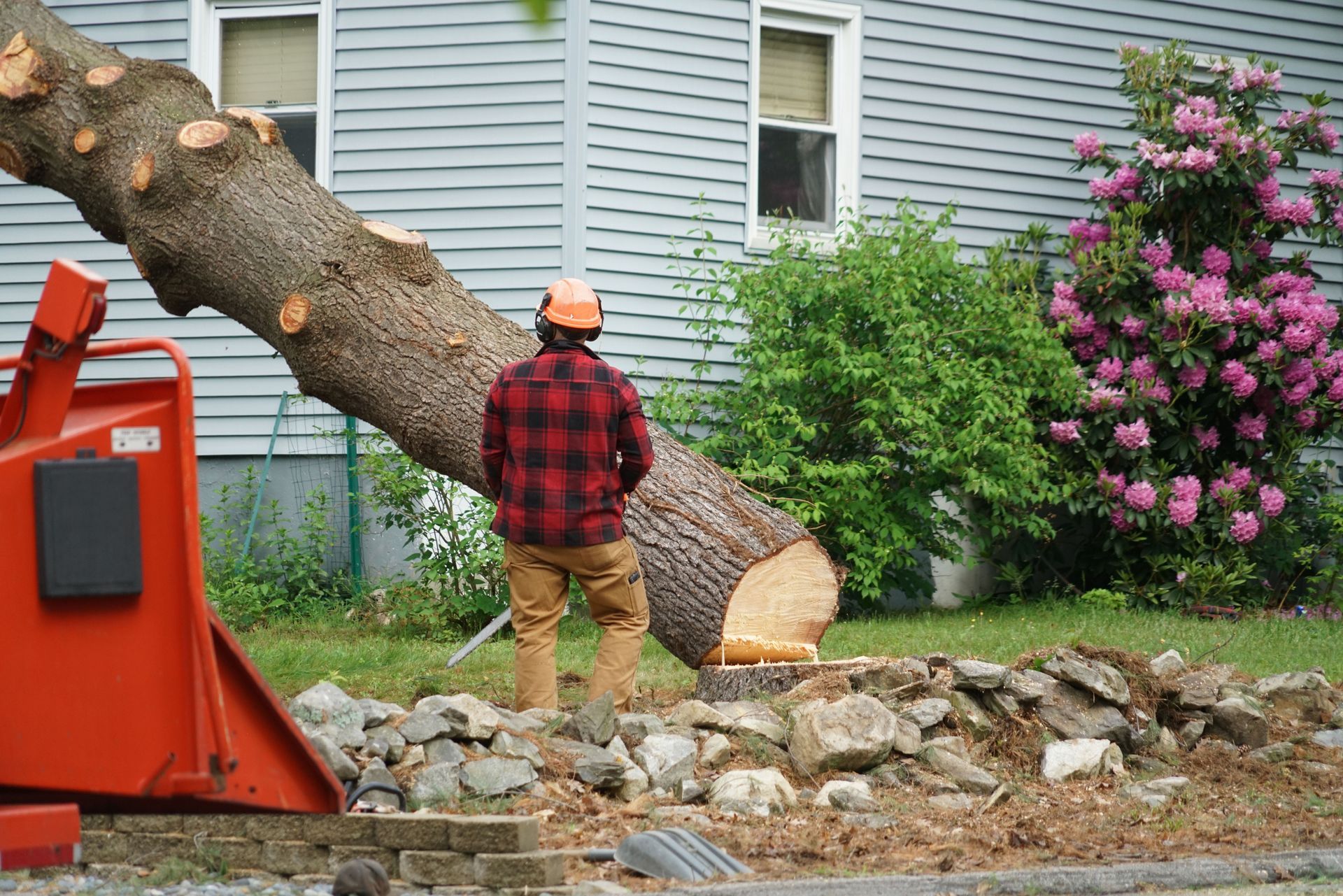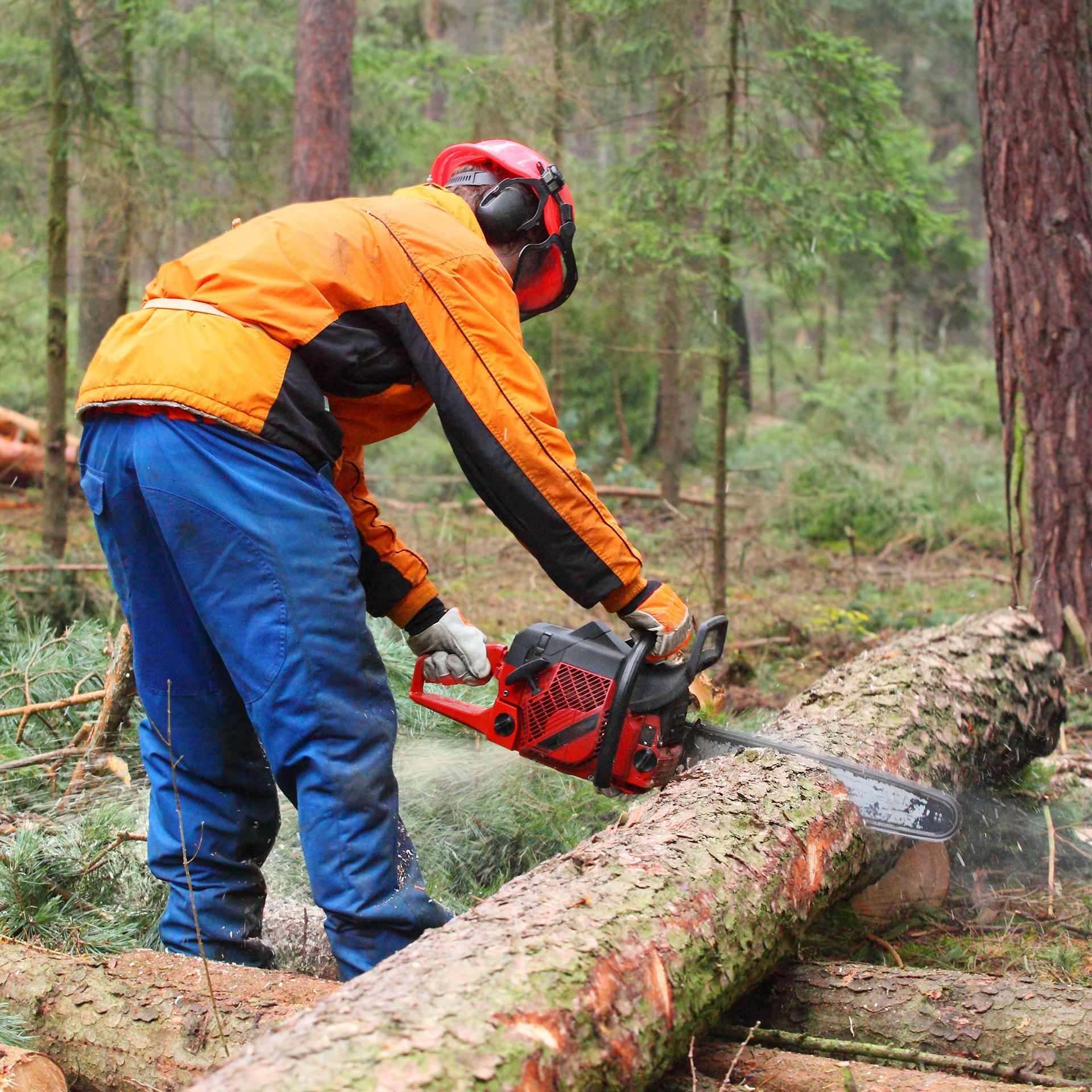
A beautiful backyard provides an excellent space for family gatherings, weekend relaxation, and seasonal activities. However, a lingering tree stump can quickly disrupt the visual harmony of your yard and turn a beautiful lawn into a frustrating obstacle course. Property owners often view stump extraction as a simple weekend project, but it involves intricate root networks and demanding physical labor. Homeowners who attempt to tackle this process without professional expertise from a tree removal company frequently run into unexpected challenges that can damage their lawns or create physical hazards.
When you decide to clear your yard of these obstacles, working with an experienced team ensures the project is completed safely and cleanly. Experienced professionals bring heavy-duty machinery and structural knowledge to protect your property during the entire extraction process. Investing in professional landscape care saves you time, prevents physical strain, and transforms your lawn back into a smooth, usable space.
Avoiding Common Assessment Pitfalls
The first step in any property clearing project is evaluating the specific challenges beneath the soil. Every tree species leaves behind a unique root structure that requires a specific removal method. Ignoring the size, depth, and layout of a hidden root system before starting can lead to incomplete removal or property damage.
Underestimating Root Networks
A tree's roots often extend far past the visible base, spreading deep under walkways, garden beds, and lawns. Failing to map out these paths can result in structural damage to nearby masonry or underground pipes if the wood is pulled up carelessly. Choosing an experienced tree removal company ensures that the entire root zone is examined properly before any machinery is turned on.
Ignoring Nearby Structures
Stumps sitting close to foundations, fences, or paved driveways require highly controlled handling. Heavy equipment operated by an amateur can easily crack concrete or warp metal fencing if the workspace is not secured. A professional tree removal company uses specialized techniques to break down the wood without shifting the surrounding soil or disturbing the stable foundations of your home.
Utilizing Appropriate Extraction Machinery
Operating heavy machinery requires technical knowledge, routine equipment maintenance, and correct safety gear. Using the wrong tool for a large hardwood stump can stall a project, ruin expensive rental equipment, and leave you with a half-finished mess in the middle of your yard.
Selecting Proper Cutters
Different wood types require specific cutting wheel sizes and teeth configurations to break down efficiently. Trying to use a lightweight rental grinder on a massive oak or maple base will quickly dull the blades and strain the engine. Professionals carry commercial-grade machinery designed to slice through dense wood cleanly, ensuring the job is done right during the first visit.
Maintaining Sharp Equipment
Using dull cutting bits forces machinery to work twice as hard, creating excessive vibration and sending dangerous wooden shards flying across the property. Professional crews inspect their cutting wheels before every job, replacing worn parts to keep operations smooth and efficient. This attention to detail protects your landscape from rough gouges and keeps the worksite organized.
Prioritizing On-Site Safety Measures
Working with high-speed cutting machinery always demands strict safety protocols and clear boundaries. Skipping basic protective steps is a major mistake that can put your property, your family, and your pets at risk during an outdoor renovation.
Securing the Workspace
Before any grinding or cutting begins, the area must be cleared of rocks, toys, and lawn ornaments that could become dangerous projectiles. Establishing a wide safety perimeter keeps bystanders at a safe distance from flying debris. Experienced teams place protective barriers around nearby windows and vehicles to catch stray wood chips before they cause incidental damage.
Monitoring Weather Patterns
Operating heavy, motorized machinery on wet, muddy turf can leave deep, unsightly ruts across your beautiful lawn. Saturated soil also makes it difficult to stabilize heavy equipment safely near a slope or a retaining wall. Waiting for dry, stable weather conditions ensures that the job can be executed without tearing up your grass or slipping during operation.
Disposing of Leftover Organic Debris
Once a stump is broken down, property owners are often left with a massive pile of wood chips, soil, and mixed organic material. Disposing of this waste incorrectly can create legal headaches, clutter your driveway, or impact the natural health of your soil.
Repurposing Clean Material
The wood chips created during the cutting process do not have to go to waste. They can be recycled into excellent mulch for your garden beds to help retain soil moisture and naturally suppress weed growth. A professional tree removal company can help you sort this material, leaving your yard looking immaculate while providing a helpful resource for your future landscaping projects.
Following Local Regulations
Dumping large mounds of organic waste in unauthorized local areas or burning them without correct permits can result in hefty municipal fines. Professional cleanup crews understand the exact disposal codes in your community, hauling away excess debris to certified facilities. This thorough service saves you multiple trips to the local landfill and ensures your neighborhood stays tidy.
Managing Project Timelines Wisely
Many homeowners try to save money by covering an old base and waiting for nature to take its course, but decomposition is an incredibly slow physical process. According to Bob Vila, it can take up to 6 months for a tree stump to die if you cover it with a tarp. Waiting half a year just for the wood to stop growing is rarely practical for families who want to enjoy their yards immediately. Hiring a dedicated tree removal company cuts that timeline down from months to a single afternoon.
Allocating Proper Labor
Breaking down a large stump manually with axes and shovels requires hours of intense, backbreaking physical labor. Homeowners often exhaust themselves before making any real progress against dense, seasoned wood. Bringing in a skilled team with commercial power tools ensures the physical workload is managed efficiently, preventing personal injuries and exhaustion.
Restoring Your Lawn Post-Extraction
The job is not finished just because the visible wood is gone. Leaving a deep, open cavity in the earth creates a significant tripping hazard for children and pets, while also ruining the uniform look of your turf.
Once the main root base is removed, the remaining hole must be filled with nutrient-rich topsoil and compacted carefully. If the soil is just thrown in loosely, it will eventually settle after the first heavy rain, leaving an uneven depression in your lawn. Properly packing the ground creates a flat surface that blends seamlessly with the rest of your property.
Preparing Future Plantings
Restoring the ground allows you to reseed the area with fresh grass or plan new landscaping features, such as a vibrant flower bed or a new walkway. Taking care of the soil health immediately after an extraction ensures that your new grass seeds have the perfect environment to grow thick, green, and strong.
Clearing your property of old stumps improves the safety, beauty, and overall usability of your entire yard. Instead of struggling with heavy rental equipment or waiting months for wood to decay under a tarp, choosing a professional tree removal company streamlines your outdoor improvements completely.
When you are ready to reclaim your lawn and eliminate stubborn stumps for good, C&D Stump & Tree Removal is ready to assist you. Our experienced crew provides a comprehensive range of tree services, including precision tree cutting, professional stump grinding, and thorough property cleanups across Wayne County and surrounding areas. To request a comprehensive written estimate for your yard, please contact C&D Stump & Tree Removal today.