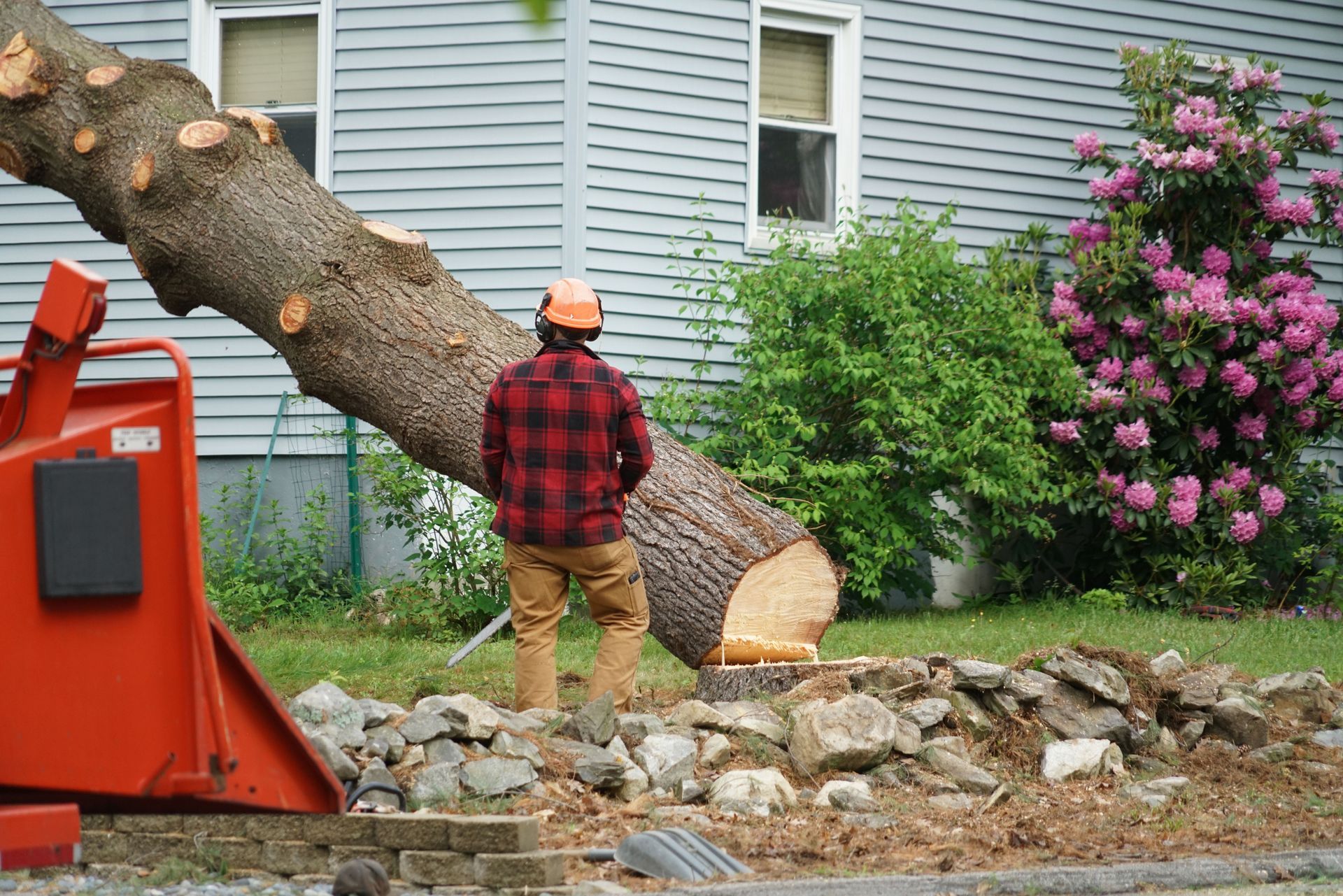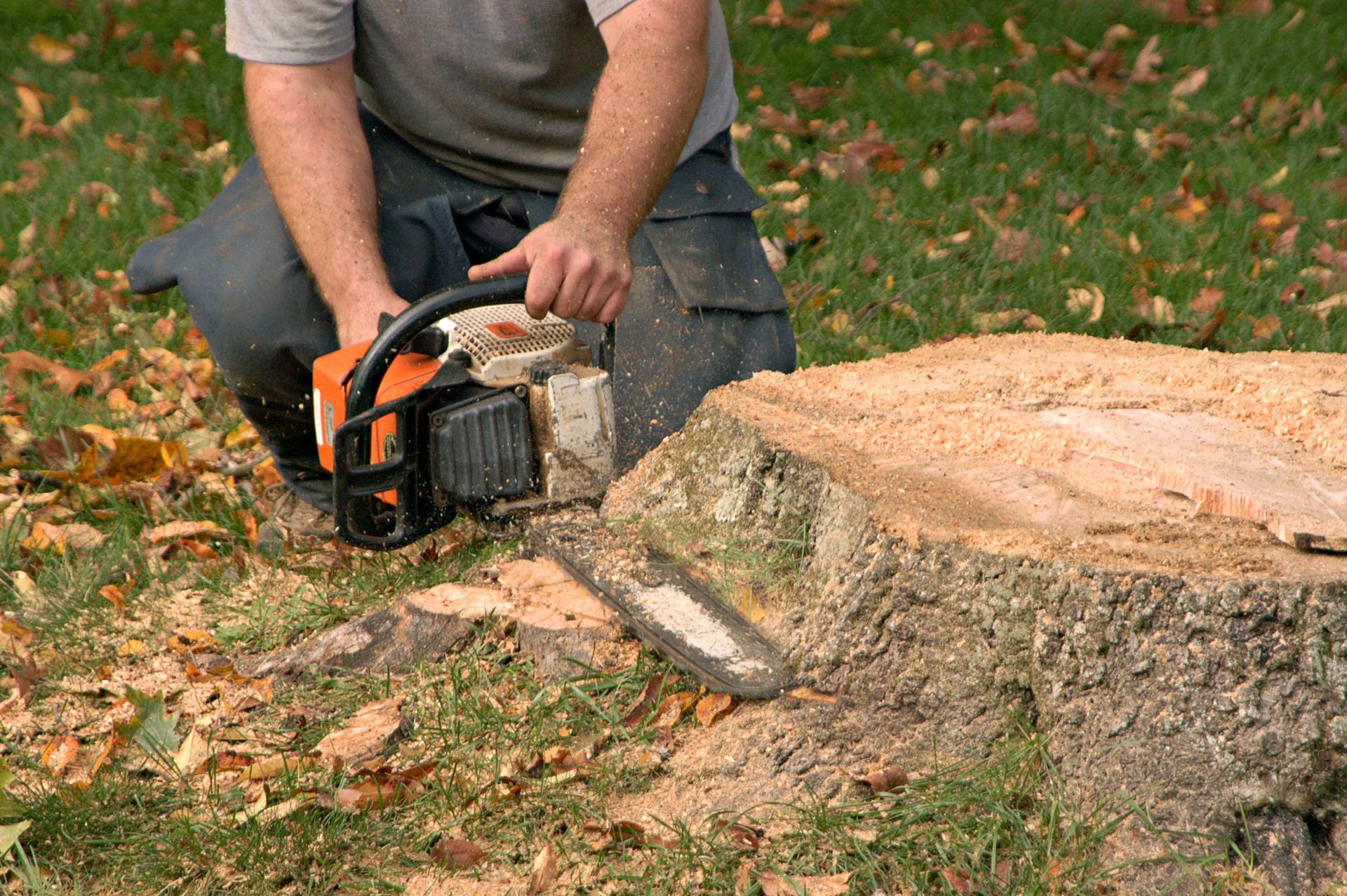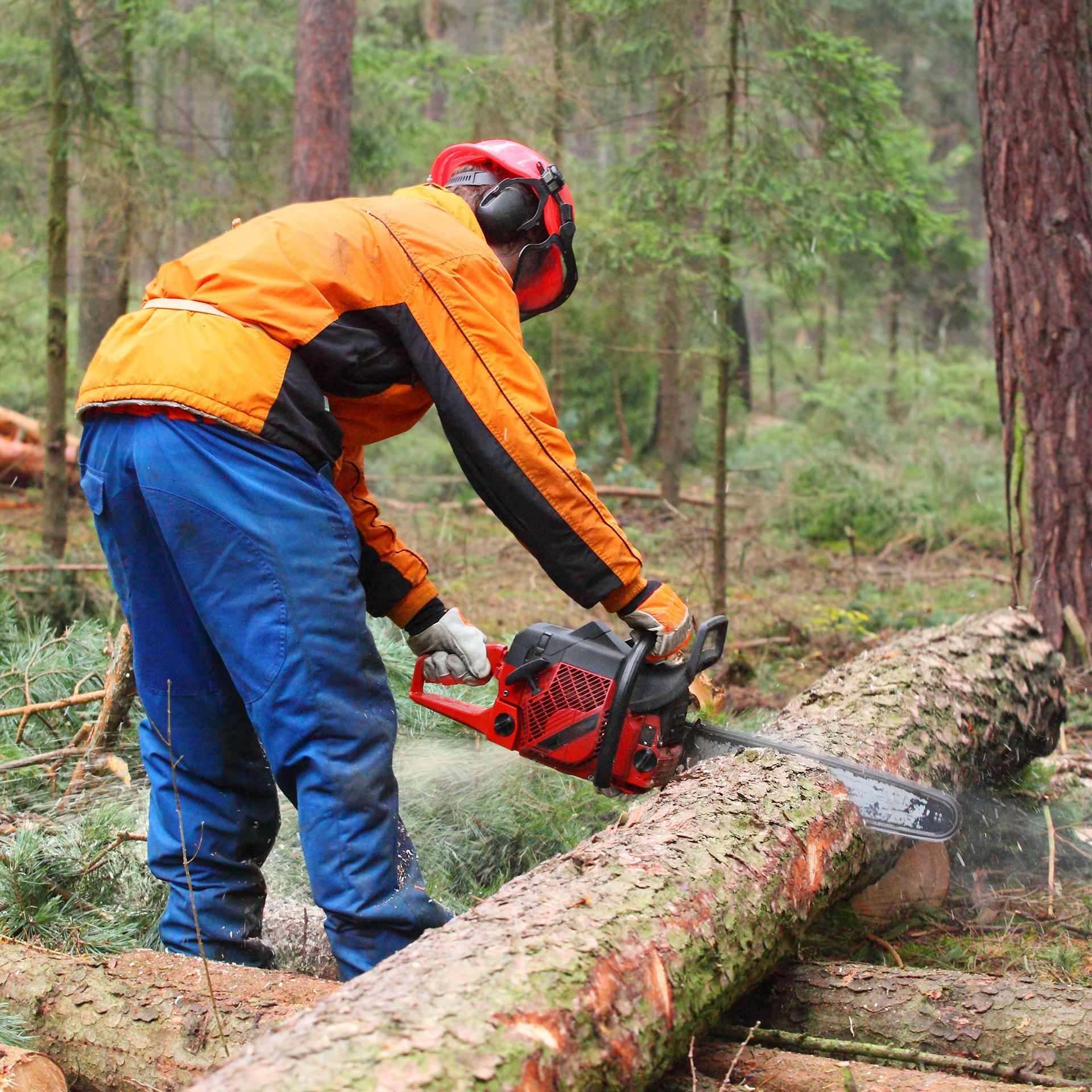
Maintaining a beautiful landscape requires a balance between nurturing growth and knowing when to intervene for the safety of the property. Homeowners often take great pride in the towering oaks or graceful maples that shade their lawns, yet these living monuments are not permanent. Over time, environmental stressors, pests, and the simple passage of years can turn a beloved backyard feature into a significant liability. Recognizing the subtle signals of a failing specimen is essential for any property owner who wishes to prevent structural damage or personal injury. Utilizing local tree removal services ensures that these transitions happen safely and efficiently before a crisis occurs.
The health of the environment around a home often mirrors the attention given to its greenery. As residents look toward modernizing their surroundings, the focus frequently shifts toward the structural integrity and aesthetic flow of the yard. According to This Old House, a 2025 survey revealed that 22% of homeowners plan to make their outdoor renovation projects all about landscaping. This trend underscores a growing awareness that the quality of one's outdoor space is just as vital as the interior.
Identify Deep Trunk Cavities
A primary indicator that a plant is no longer structurally sound is the presence of hollow sections or large cavities within the main stem. While a small hole might seem harmless or even charming as a home for local wildlife, deep decay suggests that the internal support system is compromised. When the core of the wood rots away, the weight of the upper canopy becomes too much for the remaining shell to support. This often leads to a sudden collapse, especially during periods of high wind or heavy saturation.
Professional assessments are necessary to determine if the cavity is isolated or indicative of a systemic failure. If the rot extends through a significant portion of the trunk diameter, the risk of a fall increases exponentially. In these instances, seeking local tree removal is the most responsible course of action to protect nearby structures like garages, fences, or the main house.
Observe Peeling Bark Strips
The exterior skin of a tree acts as its first line of defense against disease and dehydration. While some species naturally shed thin layers of bark, most should have a consistent, intact exterior. If you notice large patches where the bark has fallen away to reveal smooth, dry wood underneath, it often signifies that the area is no longer receiving nutrients. These dead zones, sometimes called cankers, are clear signs of internal distress or fungal infection that can weaken the entire organism.
- Check for vertical cracks that go deep into the wood.
- Look for fungal growth or mushrooms sprouting from the base.
- Monitor for boring insects that leave small, symmetrical holes.
- Notice any discoloration that looks like charcoal or white powder.
When these symptoms appear, the vitality of the specimen is usually in steep decline. A failing exterior often precedes a total loss of structural tension. By arranging for local tree removal, homeowners can clear the way for healthier plantings that will not drop heavy debris during a storm.
Examine Dead Canopy Branches
A healthy tree should have a lush, vibrant crown during the growing season. If you look upward and see large sections of the canopy that are completely bare of leaves while the rest of the plant is green, you are seeing "dieback." Dead branches, often referred to as widow-makers, are incredibly dangerous because they can fall at any moment with no warning. Even a moderate breeze can dislodge a heavy limb that has become brittle and light due to a lack of moisture.
If the top portion of the crown is dying, it usually means the root system can no longer pump water to the highest points. This type of stress is often irreversible. Rather than waiting for a branch to crash through a roof or power line, proactive residents choose local tree removal to eliminate the hazard entirely.
Detect Unnatural Trunk Lean
While it is common for greenery to grow at a slight angle as it searches for sunlight, a sudden or dramatic lean is a cause for immediate concern. If you notice that a previously straight trunk is now tilting toward your driveway or a neighbor’s property, it may indicate that the roots are lifting out of the earth. This is especially common after heavy rains when the soil becomes soft, and the root plate can no longer anchor the weight of the timber.
Look closely at the base of the trunk on the side opposite the lean. If the soil is mounded or cracked, the roots are likely failing. This is a critical situation that requires swift intervention. Engaging in local tree removal before the next weather event can save thousands in potential property damage and ensure that the fall is directed away from valuable assets.
Search for Root Damage
The health of what is above the ground is entirely dependent on what is beneath it. Roots can be damaged by many factors, including new construction, the installation of a pool, or even heavy foot traffic that compacts the soil. When the roots are severed or smothered, the tree loses its ability to feed itself and its ability to stay upright. You might notice small sprouts growing from the base of the trunk, which is often a "stress response" as the plant tries to save itself after the main root system has been harmed.
- Identify fungal clusters near the root flare.
- Watch for yellowing leaves out of season.
- Note any wilting that does not improve with watering.
- Observe if the plant seems to be shrinking or losing its vigor.
If the foundation is gone, the rest of the structure is a ticking clock. Specialists in local tree removal have the expertise to work around delicate root zones and remove the unstable plant without damaging the surrounding turf or utility lines.
Evaluate Proximity to Structures
Sometimes, the sign that it is time for a change has nothing to do with the health of the wood and everything to do with its location. A sapling planted too close to a foundation can grow into a massive problem as its roots press against basement walls or its branches scrape against the siding. Overgrown limbs can also provide a highway for pests like squirrels and ants to enter the attic. If a tree has simply outgrown its space, it can become a nuisance that blocks views and prevents other garden features from thriving.
Managing the footprint of your landscape is a key part of maintaining property value. When a large specimen begins to overshadow the entire yard, it can kill off the grass and other plants underneath. Choosing local tree removal for a misplaced tree allows for a fresh start with a more appropriate species.
Taking the initiative to address these issues is the hallmark of a diligent homeowner. By staying alert to the physical changes in your landscape, you prevent small problems from becoming expensive disasters. Professional guidance is always the safest route when dealing with heavy timber and complex heights.
If you have noticed any of these warning signs on your property, contact C&D Stump & Tree Removal to ensure your yard remains a safe and beautiful environment for everyone.