Tree removal is a critical part of maintaining a healthy and safe landscape. Knowing when and how to remove trees properly helps preserve the health of surrounding plants, protects your property, and reduces risks to your family and neighborhood. By using the right tree removal service at the appropriate time of year, you can enhance the overall look and longevity of your yard. A well-timed removal also prevents potential hazards such as falling limbs, root damage, and overcrowded growth that can affect nearby plants and structures. Taking a proactive approach allows homeowners to maintain a balanced outdoor environment while improving curb appeal and long-term property value. This guide will explore seasonal strategies for effective tree removal, helping homeowners plan and execute removals safely while supporting the long-term health of their landscape.
Understand Winter Dormancy Benefits
Winter is an ideal season for tree removal because most trees enter dormancy and temporarily stop growing. Without leaves, branches are lighter and easier to manage, making it simpler to assess tree health and structural risks. Removing trees during this period minimizes stress on nearby plants and reduces disruption to the landscape. By planning winter removals carefully, homeowners can ensure the property recovers smoothly in spring and that the landscape maintains its aesthetic and ecological balance.
Manage Snow and Ice Hazards
Snow and ice increase the complexity of tree removal service in winter, creating slippery conditions and making branches more likely to break. Falling limbs pose a threat to structures, vehicles, and people. Before beginning any removal, it is essential to monitor weather conditions closely. Professionals often use specialized equipment to handle these challenges safely. Delaying removals during severe weather can prevent accidents, protecting both your property and the workers performing the service.
Utilize Winter Accessibility
Frozen ground in winter can support heavy machinery without compacting the soil or damaging lawns, providing a unique advantage for tree removal services. Areas that are difficult to reach in warmer months become more accessible, and cleanup after removal is easier because the equipment causes less disruption. Homeowners can take advantage of this season to tackle larger tree removal projects efficiently while minimizing damage to surrounding areas.
Recognize Spring Growth Patterns
Spring marks new growth, which requires extra attention when planning tree removal. Increased sap flow can make tree cutting sticky and more cumbersome, while trees that fail to sprout indicate a higher priority for removal. Early spring also allows homeowners to identify trees that may be pest-infested or weakened by winter conditions. By timing removals carefully, you can protect the overall health of your landscape and prevent spreading disease or pests to other plants.
Address Spring Pest Risks
The return of pests in spring makes tree removal service particularly important for maintaining a healthy yard. Removing trees that are infested early prevents pests from spreading to surrounding vegetation. Strategic removal of compromised trees helps preserve the vitality of your garden and minimizes damage to both plants and soil. Planning removals with pest management in mind supports long-term ecological balance and strengthens the landscape against future infestations.
Monitor Soil Moisture Stability
Spring rains can saturate soil, complicating tree removal service due to unstable ground. Equipment may sink or slip in overly wet areas, making it necessary to plan removals for drier periods. Observing weather patterns and soil conditions ensures safe, effective work while protecting the lawn from damage. Homeowners who coordinate removals with seasonal soil stability achieve more efficient results and reduce the risk of unintended harm to surrounding areas.
Adapt to Summer Heat Challenges
Summer heat can affect both trees and workers during removal service. High temperatures increase physical strain and can cause rapid drying of removed wood, complicating handling and disposal. Scheduling work during cooler hours and taking frequent breaks helps maintain safety and efficiency. Proper hydration and pacing are critical for crews performing summer tree removal, ensuring the job is completed effectively without compromising worker health or property safety.
Handle Summer Storm Damage
Summer storms often damage trees with high winds, lightning, or heavy rain. Prompt tree removal service helps mitigate the risks of falling limbs or uprooted trees. According to This Old House, 77% of homeowners upgraded outdoor plants, shrubs, or trees in 2025, highlighting the growing focus on maintaining landscapes. Swift removal of damaged trees protects surrounding vegetation and property while preparing the yard for future storms.
Combat Summer Pests and Diseases
Warm, moist conditions in summer promote the growth of pests and tree diseases. Trees showing signs of severe infestation may need immediate removal to prevent spread to other plants. Regular inspection and timely tree removal service can maintain the overall health of your landscape, allowing other trees and shrubs to thrive. Taking preventive action during the summer reduces long-term maintenance and safeguards your property against ecosystem disruption.
Utilize Fall Dormancy Advantages
As temperatures drop and daylight decreases, trees enter dormancy in the fall. This phase allows for easier and less disruptive tree removal, similar to winter benefits. Without leaves, branches are lighter and more manageable, while cooler weather reduces stress on surrounding plants. Fall removals also give homeowners an opportunity to address trees that may not survive the upcoming winter, keeping the landscape healthy and secure.
Leverage Leaf Shedding
Fall leaf shedding naturally reduces branch weight, making tree removal service easier to execute. Without dense foliage, arborists can more clearly see the tree's structure and potential hazards. Cleanup is also simplified since leaves are already falling, minimizing additional yard work. Planning removals to align with this natural process helps improve efficiency while reducing environmental impact on the landscape.
Consider Fertilization Effects
Many homeowners fertilize in the fall to support root growth during winter. When planning tree removal, it is essential to ensure fertilizer does not encourage unexpected late growth on trees marked for removal. Coordinating fertilization and removal schedules helps maintain a balanced landscape, protects surrounding vegetation, and prevents complications that could interfere with removal efficiency.
Prioritize Safety During Removals
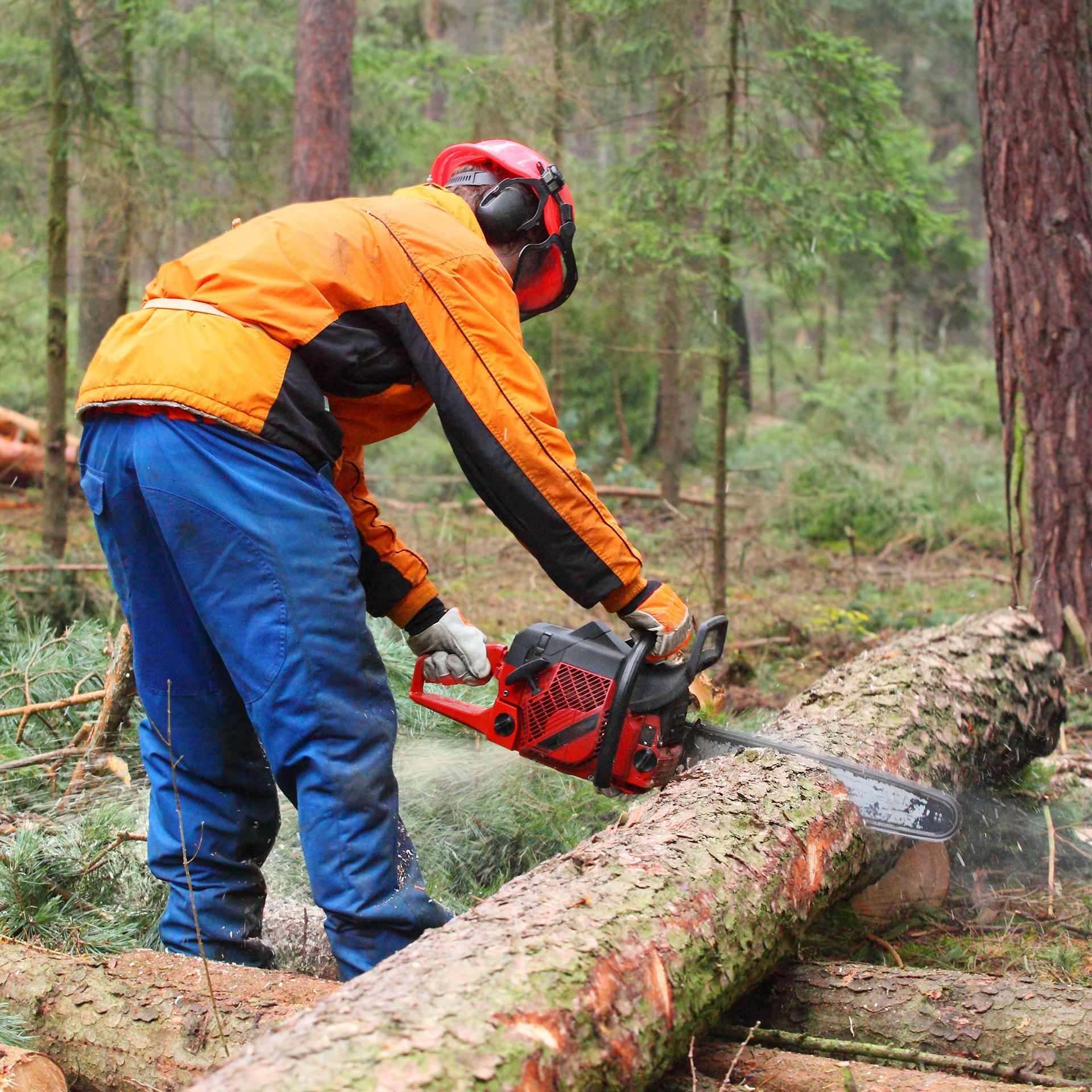
Safety is a top priority in all tree removal services. Proper personal protective equipment (PPE), such as helmets, gloves, eye protection, and sturdy boots, is critical to prevent injuries from falling limbs or equipment. Additionally, operating chainsaws, wood chippers, and other specialized tools requires training and regular maintenance to ensure safe and effective performance. Evaluating the risks of each tree removal job, from size to location, allows for better planning and reduces the likelihood of accidents.
Promote Sustainable Practices
Sustainable tree removal companies help preserve the environment and support healthy ecosystems. Sectional tree removal and careful handling minimize disturbance to surrounding flora. Recycling and composting removed trees return nutrients to the soil and reduce landfill waste. Mulching with recycled wood chips conserves soil moisture and temperature, promoting long-term landscape health. Thoughtful planning also includes replacing removed trees with native species to maintain biodiversity and ecological balance.
Seasonal tree removal service is essential for keeping your landscape safe, vibrant, and resilient. By following careful strategies for each season, addressing safety, pests, and environmental considerations, homeowners can maintain a thriving yard year-round. Proper planning also ensures that trees that pose structural or environmental risks are handled before they cause costly damage to property or surrounding vegetation. Consistent maintenance helps preserve the beauty and balance of your outdoor space for years to come. At NOB, we understand the importance of planning and executing tree removal with care and precision. Contact C&D Stump & Tree Removal today to schedule professional service and keep your landscape healthy, safe, and well-maintained.